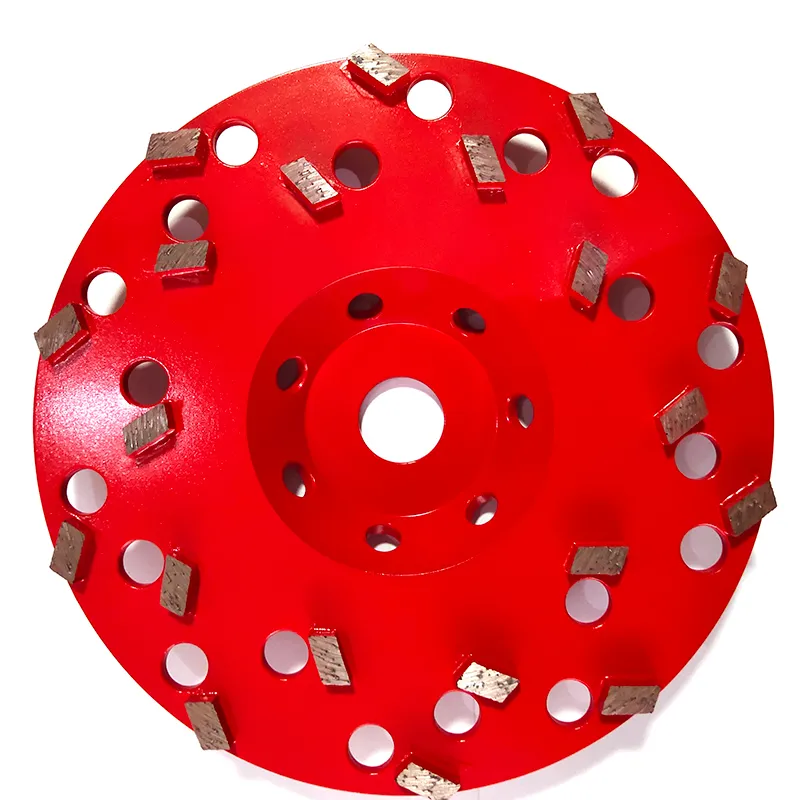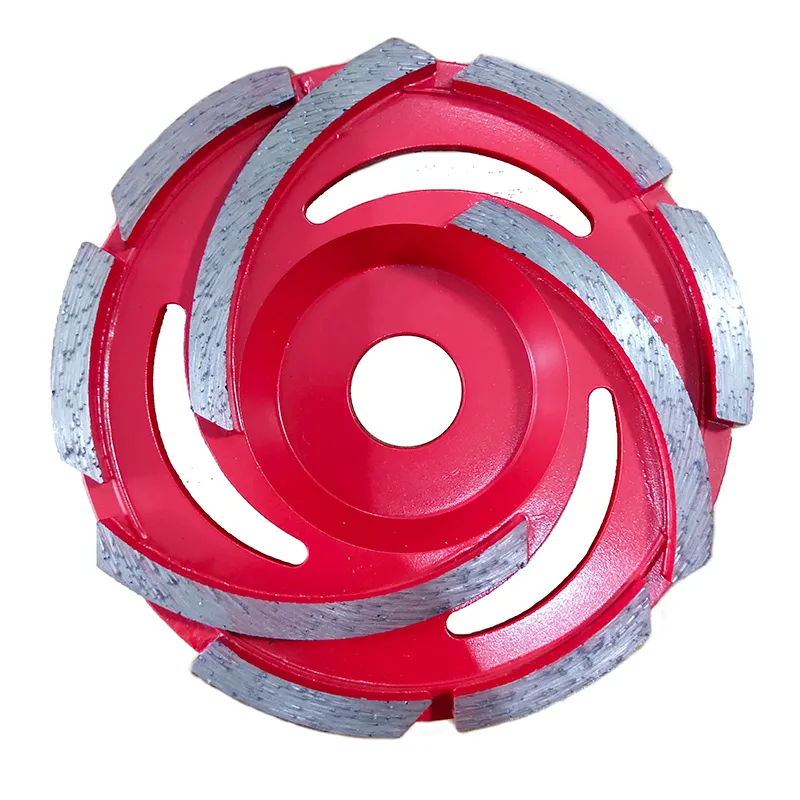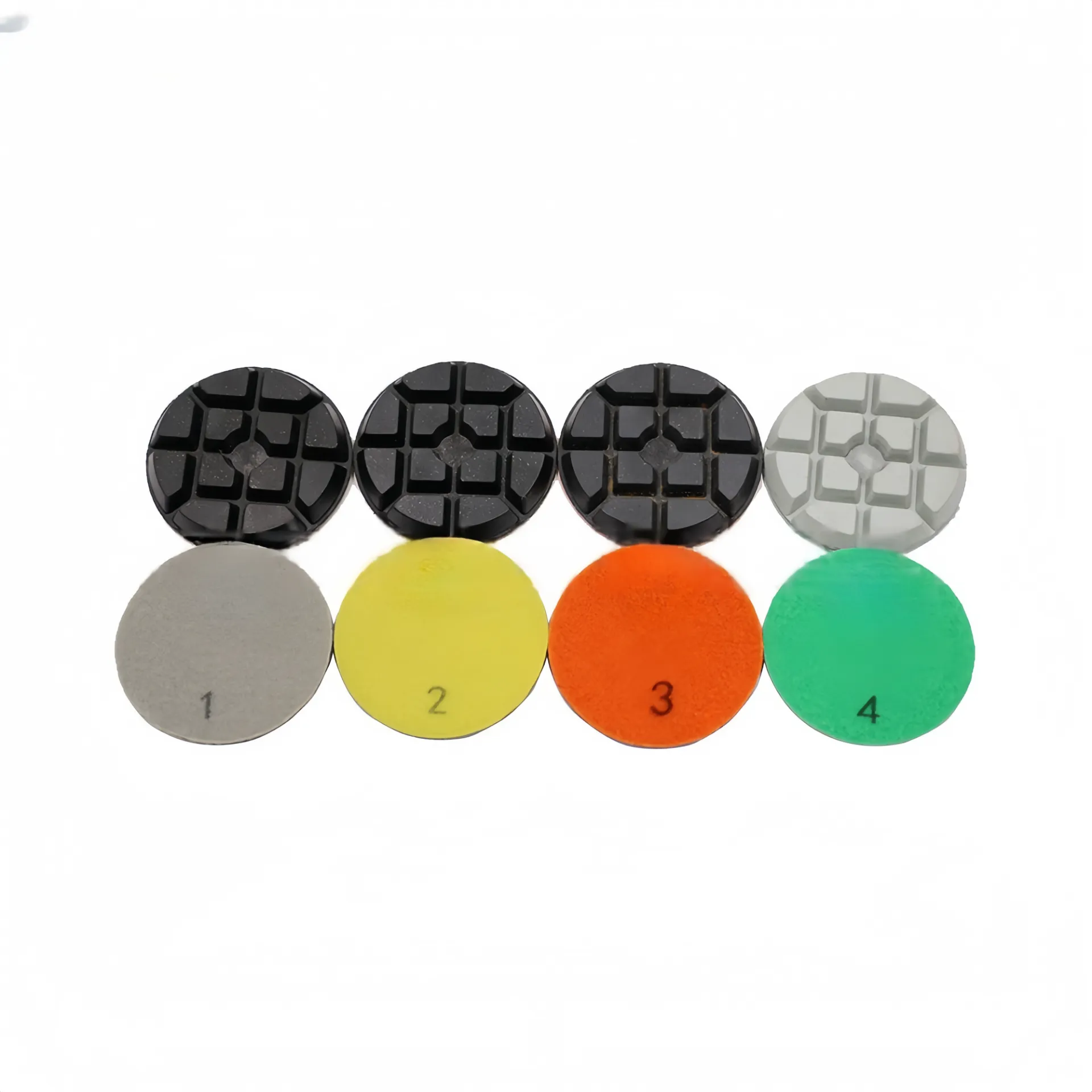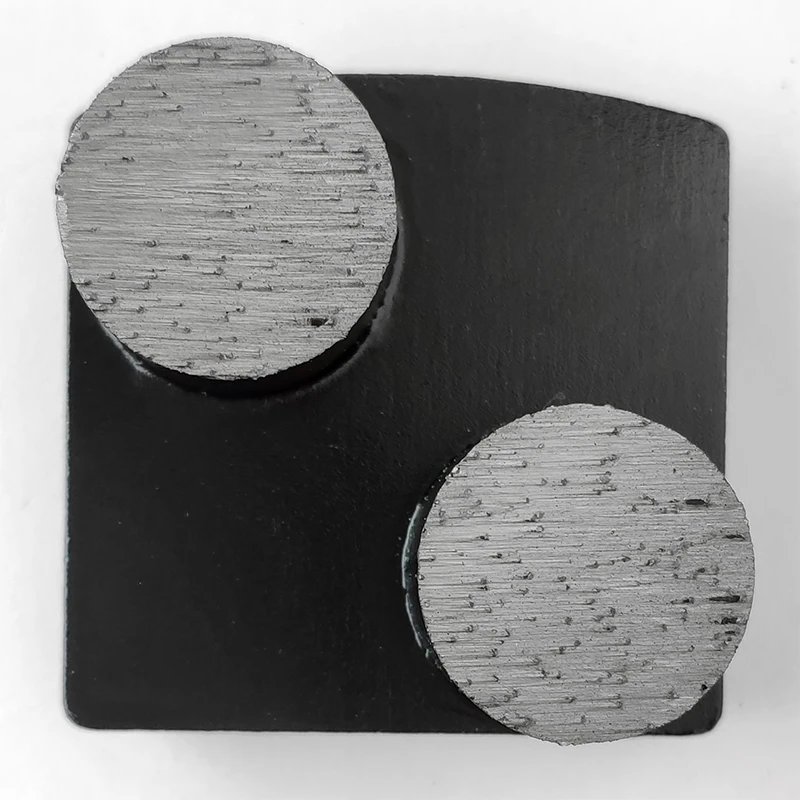

7 inch hook and loop backing pad
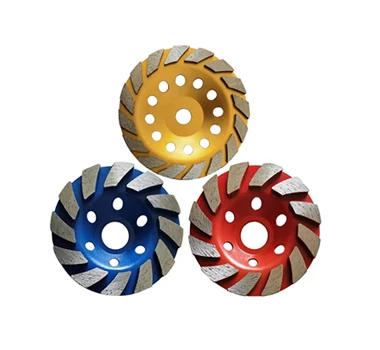
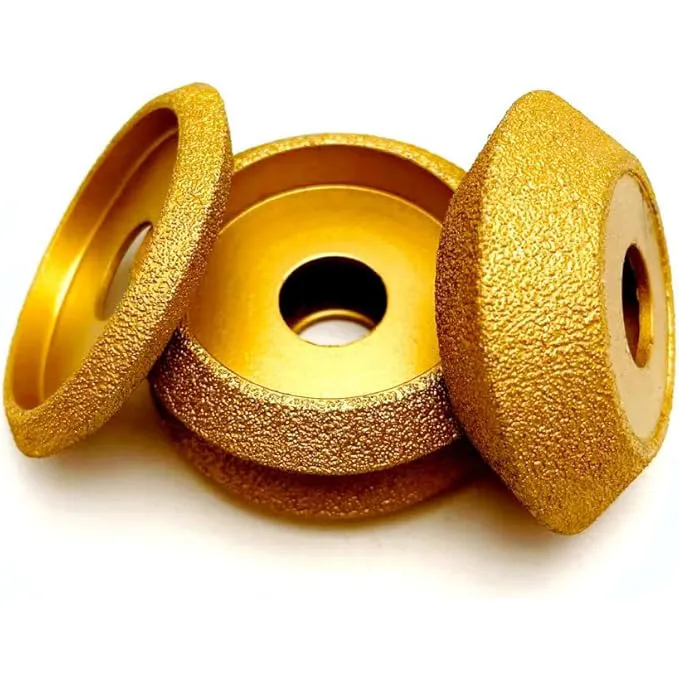
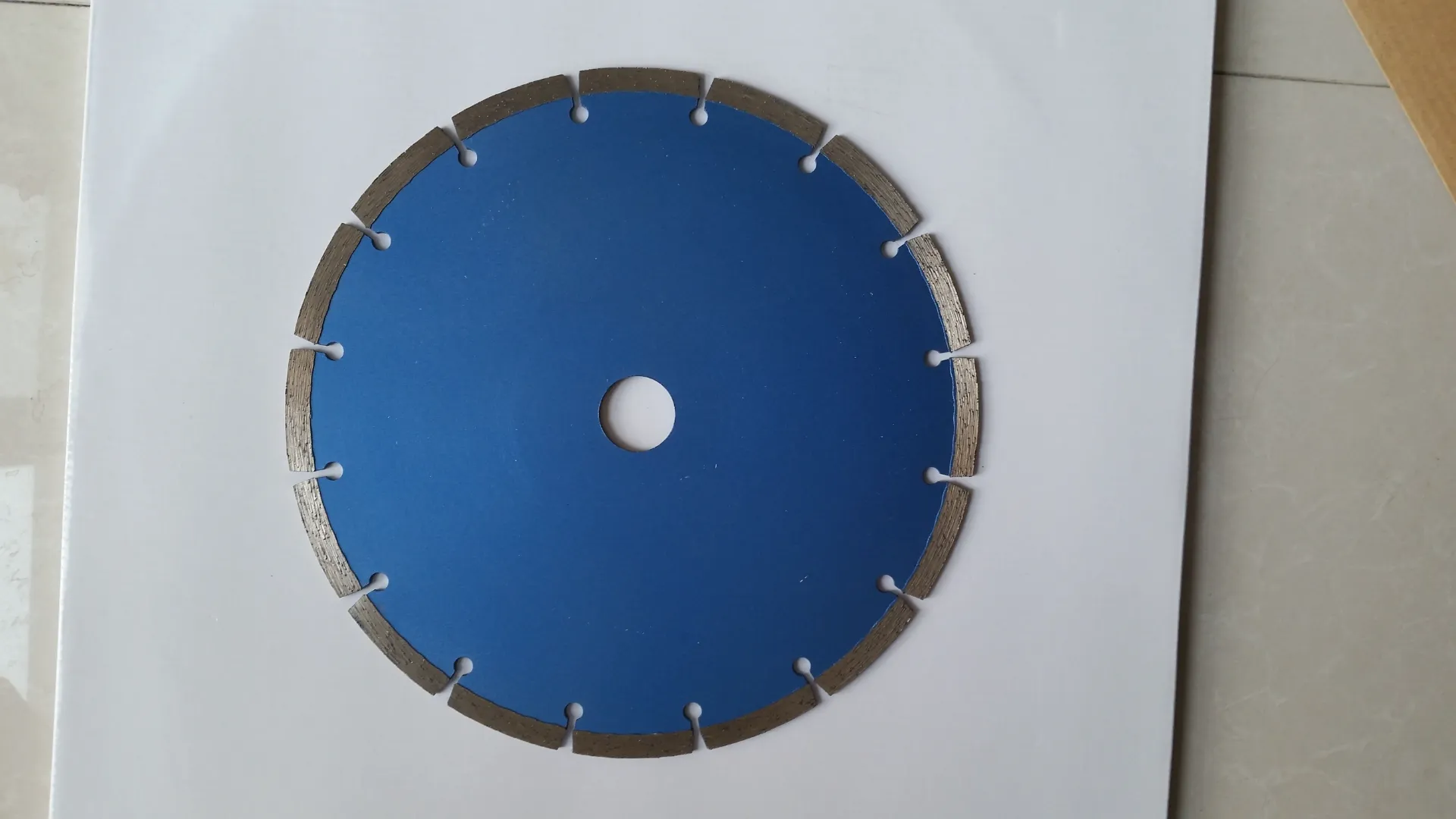
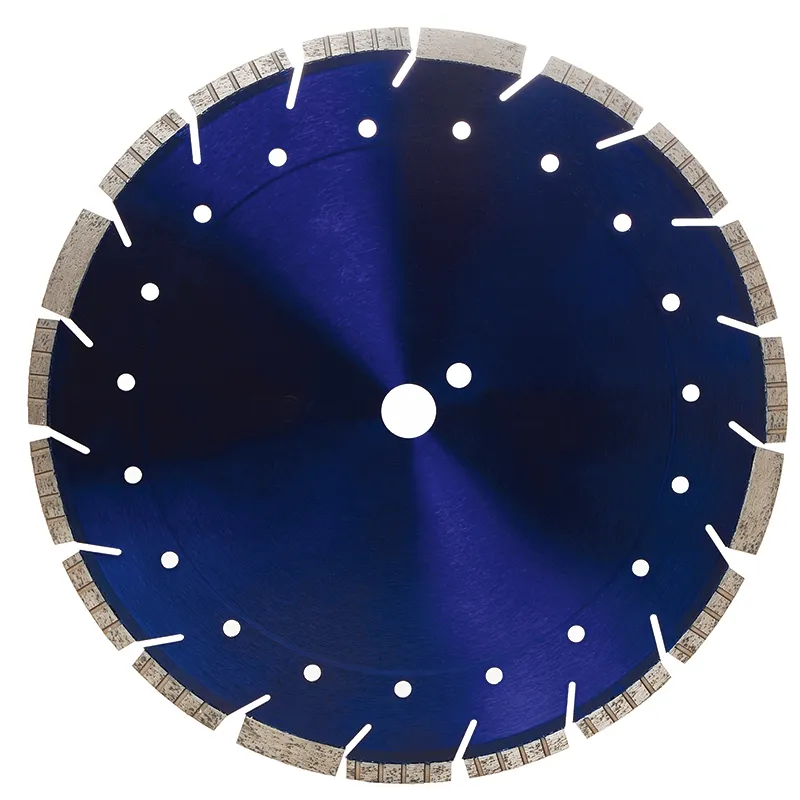
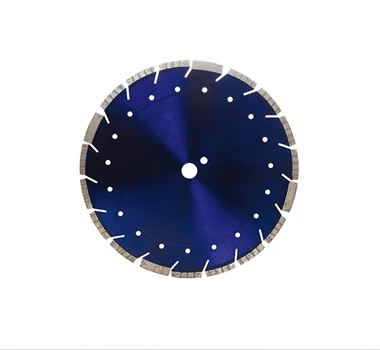
Navigating the Precision of Tuck Point Blades in Modern Construction In the demanding landscape of modern construction and renovation, precision and efficiency are paramount. The evolution of materials and techniques necessitates specialized tools that can meet stringent performance requirements. Among these, the tuck point blade stands out as an indispensable tool. Designed for tasks such as mortar removal, crack chasing, and joint cleaning, these blades are engineered for accuracy and durability. The market is witnessing a continuous demand for advanced solutions, driven by infrastructure rehabilitation projects, historic building restoration, and the need for more resilient masonry structures. Understanding the intricate details of these specialized diamond tools is crucial for professionals seeking optimal project outcomes. Our product, the Diamond Groove Blade And Tuck Point Blades For Cutting Concrete And Brick Wall Or Floor, represents the pinnacle of this technological advancement. Current industry trends highlight a shift towards tools that offer superior dust control, extended lifespan, and versatile application across diverse materials. This emphasis on cleaner, safer, and more economical operations underscores the importance of investing in high-quality abrasive solutions. Professionals in masonry, demolition, and general construction are increasingly prioritizing blades that minimize downtime and maximize operational efficiency, making the selection of the right tuck point blade a critical decision in project planning and execution. Technical Specifications and Performance Parameters The effectiveness of a tuck point blade is defined by its core technical specifications and how these parameters translate into real-world performance. Key factors include the blade's diameter, arbor size, segment height, diamond grit concentration, and the specific bond type. For instance, a larger diameter allows for deeper cuts, while the arbor size ensures compatibility with various angle grinders or specialized tuck pointing machines. Segment height directly impacts the blade's usable life, with higher segments generally offering extended durability. The diamond grit and bond type are crucial for determining the blade's aggressiveness and suitability for different materials, from soft mortar to hard concrete or brick. Understanding these technical nuances allows for the precise selection of a tuck point grinding wheel optimized for specific project demands. Below is a comprehensive table detailing typical specifications for high-performance tuck point blade : Parameter Description Common Range/Value Diameter Determines cutting depth and machine compatibility. 4" to 7" (100mm to 180mm) Arbor Size Central hole diameter for mounting on grinders. 7/8" (22.23mm), 5/8"-11 Thread, 20mm Segment Width Corresponds to desired joint width. 1/8" to 1/4" (3mm to 6.35mm) Segment Height Amount of usable diamond segment, impacting blade life. 8mm to 12mm Bond Type Hardness of the metal matrix holding diamonds. Soft, Medium, Hard (suited for different materials) Max RPM Maximum safe operating speed. 8,730 to 13,000 (depending on diameter) Application Ideal materials for cutting. Mortar, Concrete, Brick, Block, Stone These specifications collectively determine the efficiency, longevity, and safety of the pointing grinder blade . Selecting the correct bond type for the material being cut is particularly critical; a softer bond is typically used for hard, abrasive materials to allow diamond exposure, while a harder bond is ideal for softer materials to ensure extended blade life. Precision Manufacturing Process of Tuck Point Blades The manufacturing of a high-performance tuck point blade is a sophisticated process that begins with the meticulous selection of raw materials. The core of the blade is typically made from high-grade steel, chosen for its strength, flexibility, and resistance to warping under extreme rotational forces. The diamond segments, which perform the actual cutting, are composed of synthetic diamonds precisely mixed with a proprietary metal bond powder. This powder composition is critical, as it dictates the blade's performance characteristics for specific applications. The manufacturing process typically follows these key steps: Steel Core Fabrication: High-quality steel sheets are precisely cut using laser technology or stamping to form the blade blank. This ensures dimensional accuracy and proper balance. Segment Preparation: Diamond and metal powder mixtures are pressed and sintered (or brazed) at high temperatures and pressures to form durable diamond segments. Sintering creates a metallurgical bond, ensuring the diamonds are firmly embedded. Segment Attachment: The pre-formed diamond segments are then attached to the steel core. For tuck blade , this is commonly done through laser welding or high-frequency brazing, ensuring a strong, consistent bond that can withstand the rigors of cutting. Laser welding offers superior segment retention and safety. Tensioning and Balancing: The blade undergoes a tensioning process to ensure it runs true and prevents wobbling during operation. Precision balancing eliminates vibrations, enhancing cutting accuracy and extending tool life. Quality Control & Inspection: Each tuck point blade undergoes rigorous quality control. This includes visual inspection, dimensional checks, balance testing, and performance testing. Adherence to international standards like ISO 9001 and ANSI B7.1 ensures consistent quality and safety. The lifespan of a tuck point blade is directly influenced by the quality of these manufacturing steps, the grade of raw materials, and its intended application. Proper manufacturing results in blades with excellent durability and consistent performance. These blades are crucial across various industries, including general construction, infrastructure maintenance (bridges, roads), residential and commercial renovation, and even specialized applications in industries like petrochemical (for concrete infrastructure repair) and metallurgy (for refractory removal if applicable). Their design often contributes to energy efficiency by reducing the number of passes required for a clean cut and offers inherent anti-corrosion properties in the blade's core steel. Application Scenarios and Distinct Technical Advantages The versatility of the tuck point blade makes it indispensable across a spectrum of professional applications. Primarily, it excels in mortar joint removal during brick and stone masonry repair, facilitating repointing without damaging adjacent bricks. This precision is critical for maintaining the structural integrity and aesthetic appeal of historic buildings and modern constructions alike. Beyond repointing, these blades are adept at crack chasing in concrete and asphalt, preparing surfaces for sealant application. They are also widely used in concrete grooving, floor preparation, and the clean removal of old grout lines in tile installations, ensuring a smooth and efficient workflow. The technical advantages offered by a high-quality tuck point grinder blade are substantial. Firstly, their precision cutting capabilities minimize collateral damage to surrounding materials, preserving the integrity of the structure. This leads to reduced labor and material costs for repairs. Secondly, the robust diamond segments ensure exceptional cutting speed and efficiency, significantly reducing project completion times. Thirdly, the longevity of these blades, stemming from superior diamond formulations and manufacturing processes, translates into fewer blade changes, less downtime, and ultimately, lower operational expenses. Furthermore, when paired with appropriate dust extraction systems, these blades contribute to a safer, cleaner working environment by minimizing airborne particulate matter, aligning with modern health and safety regulations. These combined benefits underscore why choosing a specialized tuck blade is a strategic investment for any serious construction professional. Industry Trends and Performance Benchmarking The market for cutting tools, particularly specialized items like the tuck point blade , is dynamic, driven by innovation and evolving regulatory standards. A significant trend is the increasing demand for enhanced safety features, including designs that facilitate better dust extraction and reduce vibration, aligning with stricter occupational health guidelines. There's also a clear move towards multi-purpose blades that can handle a wider range of materials, offering greater flexibility and cost-efficiency for users. Furthermore, the integration of advanced bonding technologies, such as vacuum brazing and laser welding, continues to push the boundaries of blade durability and cutting performance, leading to longer service life and faster material removal rates. Benchmarking performance involves comparing key metrics such as cutting speed, blade life (expressed in linear feet cut or hours of use), and cost per linear foot. For instance, a premium tuck point grinding wheel might offer 30% faster cutting speed and 50% longer life compared to a standard blade, despite a higher initial cost. This superior performance often results in a lower overall cost of ownership due to reduced labor hours and fewer blade replacements. Our Diamond Groove Blade And Tuck Point Blades are rigorously tested against industry benchmarks to ensure they consistently deliver superior performance. Field tests show a significant reduction in project time when using our specialized tuck point blade , validating their efficiency and economic benefits for large-scale operations and detailed masonry work. Customized Solutions and Exemplary Service Cases Recognizing that every project presents unique challenges, we offer tailored manufacturing solutions for our tuck point blade range. Our team collaborates closely with clients to understand specific material compositions, desired cutting depths, and operational environments, allowing us to customize blade specifications such as segment width, diamond concentration, and bond hardness. This bespoke approach ensures that clients receive a tool perfectly optimized for their needs, whether it's for specialized historical restoration or high-volume industrial cutting. Our commitment to adaptability and precision sets us apart as a preferred partner for complex B2B requirements. A notable service case involved a major infrastructure project requiring the precise removal of deeply embedded mortar from aged bridge abutments. Standard tuck blade proved insufficient due to the unique aggregate in the mortar and the extreme operational conditions. Our engineering team developed a custom tuck point grinder blade with a modified segment configuration and a specialized bond tailored to the abrasive characteristics of the bridge material. This customized solution not only significantly accelerated the removal process but also extended blade life by over 70%, resulting in substantial cost savings and timely project completion for the client. Feedback from the project manager highlighted the exceptional performance and the dedicated support received, affirming our capability to deliver high-performance, purpose-built cutting tools for even the most challenging applications. Ensuring Authority, Experience, and Trustworthiness () Our commitment to quality and customer satisfaction is underpinned by robust operational frameworks and a dedication to industry best practices. With over two decades of experience in diamond tool manufacturing, we have cultivated deep expertise in abrasive technology, consistently delivering products that meet and exceed industry standards. Our manufacturing facilities are ISO 9001 certified, ensuring stringent quality management systems at every stage, from raw material sourcing to final product inspection. We regularly conduct internal and third-party performance tests on our tuck point blade range, with published data demonstrating superior cutting rates and tool longevity compared to general market offerings. Frequently Asked Questions (FAQ) Q: How does your tuck point blade differ from standard grinding wheels? A: Our tuck point blade is specifically designed with a narrower segment width and a unique bond formulation optimized for precise mortar and grout removal, minimizing damage to surrounding masonry. Standard grinding wheels are broader and designed for general material removal, lacking the necessary precision for tuck pointing. Q: What is the estimated delivery cycle for bulk orders? A: For standard inventory items, delivery typically ranges from 3-7 business days within North America. For customized or large bulk orders, lead times are usually 2-4 weeks, depending on complexity and quantity. We provide transparent timelines upon order confirmation. Q: Do you offer a warranty on your diamond blades? A: Yes, all our Diamond Groove Blades and Tuck Point Blades come with a 90-day limited warranty against manufacturing defects. Our commitment to quality ensures our products meet the highest performance standards, backed by dedicated customer support for any technical inquiries or assistance. Our strategic partnerships with leading construction firms and a consistent track record of supplying durable, high-performance tooling reinforce our authoritative position in the industry. We understand that reliability and support are critical for B2B clients, and we are dedicated to providing comprehensive technical support, product training, and responsive after-sales service to ensure maximum operational uptime for our customers. The Future of Precision Masonry with Advanced Blades As construction methods evolve and demand for restoration and sustainable building practices intensifies, the role of specialized tools like the Diamond Groove Blade And Tuck Point Blades becomes ever more critical. We are committed to continuous innovation, leveraging advanced material science and manufacturing techniques to enhance the performance, safety, and environmental impact of our products. Our ongoing research and development focus on extending blade life, improving cutting efficiency, and developing solutions for emerging construction materials and challenges. Partnering with us means investing in cutting-edge technology that guarantees precision, durability, and cost-effectiveness for your most demanding projects. Our expertise in creating superior tuck point blade solutions ensures that professionals can tackle complex masonry tasks with unparalleled confidence and efficiency, securing successful outcomes for every application. References Construction Engineering and Management Journal. "Innovations in Diamond Tooling for Masonry Restoration." Vol. 45, No. 3, 2022. American Society for Testing and Materials (ASTM) Standards for Abrasive Products, E2586 - Standard Practice for Use of Diamond Tools. Journal of Materials Processing Technology. "Advanced Sintering Techniques for Diamond Segment Production." Vol. 287, 2021. Occupational Safety and Health Administration (OSHA) Fact Sheet: Controlling Silica Dust in Construction. Publication FS-3687, 2013. International Organization for Standardization (ISO) 9001:2015 - Quality Management Systems - Requirements.
-
 30000M2Floor Space
 -
 100+Team size
 -
 20+Production experience
 -
 120+Export Countries
7 inch hook and loop backing pad
Navigating the Precision of Tuck Point Blades in Modern Construction In the demanding landscape of modern construction and renovation, precision and efficiency are paramount. The evolution of materials and techniques necessitates specialized tools that can meet stringent performance requirements. Among these, the tuck point blade stands out as an indispensable tool. Designed for tasks such as mortar removal, crack chasing, and joint cleaning, these blades are engineered for accuracy and durability. The market is witnessing a continuous demand for advanced solutions, driven by infrastructure rehabilitation projects, historic building restoration, and the need for more resilient masonry structures. Understanding the intricate details of these specialized diamond tools is crucial for professionals seeking optimal project outcomes. Our product, the Diamond Groove Blade And Tuck Point Blades For Cutting Concrete And Brick Wall Or Floor, represents the pinnacle of this technological advancement. Current industry trends highlight a shift towards tools that offer superior dust control, extended lifespan, and versatile application across diverse materials. This emphasis on cleaner, safer, and more economical operations underscores the importance of investing in high-quality abrasive solutions. Professionals in masonry, demolition, and general construction are increasingly prioritizing blades that minimize downtime and maximize operational efficiency, making the selection of the right tuck point blade a critical decision in project planning and execution. Technical Specifications and Performance Parameters The effectiveness of a tuck point blade is defined by its core technical specifications and how these parameters translate into real-world performance. Key factors include the blade's diameter, arbor size, segment height, diamond grit concentration, and the specific bond type. For instance, a larger diameter allows for deeper cuts, while the arbor size ensures compatibility with various angle grinders or specialized tuck pointing machines. Segment height directly impacts the blade's usable life, with higher segments generally offering extended durability. The diamond grit and bond type are crucial for determining the blade's aggressiveness and suitability for different materials, from soft mortar to hard concrete or brick. Understanding these technical nuances allows for the precise selection of a tuck point grinding wheel optimized for specific project demands. Below is a comprehensive table detailing typical specifications for high-performance tuck point blade : Parameter Description Common Range/Value Diameter Determines cutting depth and machine compatibility. 4" to 7" (100mm to 180mm) Arbor Size Central hole diameter for mounting on grinders. 7/8" (22.23mm), 5/8"-11 Thread, 20mm Segment Width Corresponds to desired joint width. 1/8" to 1/4" (3mm to 6.35mm) Segment Height Amount of usable diamond segment, impacting blade life. 8mm to 12mm Bond Type Hardness of the metal matrix holding diamonds. Soft, Medium, Hard (suited for different materials) Max RPM Maximum safe operating speed. 8,730 to 13,000 (depending on diameter) Application Ideal materials for cutting. Mortar, Concrete, Brick, Block, Stone These specifications collectively determine the efficiency, longevity, and safety of the pointing grinder blade . Selecting the correct bond type for the material being cut is particularly critical; a softer bond is typically used for hard, abrasive materials to allow diamond exposure, while a harder bond is ideal for softer materials to ensure extended blade life. Precision Manufacturing Process of Tuck Point Blades The manufacturing of a high-performance tuck point blade is a sophisticated process that begins with the meticulous selection of raw materials. The core of the blade is typically made from high-grade steel, chosen for its strength, flexibility, and resistance to warping under extreme rotational forces. The diamond segments, which perform the actual cutting, are composed of synthetic diamonds precisely mixed with a proprietary metal bond powder. This powder composition is critical, as it dictates the blade's performance characteristics for specific applications. The manufacturing process typically follows these key steps: Steel Core Fabrication: High-quality steel sheets are precisely cut using laser technology or stamping to form the blade blank. This ensures dimensional accuracy and proper balance. Segment Preparation: Diamond and metal powder mixtures are pressed and sintered (or brazed) at high temperatures and pressures to form durable diamond segments. Sintering creates a metallurgical bond, ensuring the diamonds are firmly embedded. Segment Attachment: The pre-formed diamond segments are then attached to the steel core. For tuck blade , this is commonly done through laser welding or high-frequency brazing, ensuring a strong, consistent bond that can withstand the rigors of cutting. Laser welding offers superior segment retention and safety. Tensioning and Balancing: The blade undergoes a tensioning process to ensure it runs true and prevents wobbling during operation. Precision balancing eliminates vibrations, enhancing cutting accuracy and extending tool life. Quality Control & Inspection: Each tuck point blade undergoes rigorous quality control. This includes visual inspection, dimensional checks, balance testing, and performance testing. Adherence to international standards like ISO 9001 and ANSI B7.1 ensures consistent quality and safety. The lifespan of a tuck point blade is directly influenced by the quality of these manufacturing steps, the grade of raw materials, and its intended application. Proper manufacturing results in blades with excellent durability and consistent performance. These blades are crucial across various industries, including general construction, infrastructure maintenance (bridges, roads), residential and commercial renovation, and even specialized applications in industries like petrochemical (for concrete infrastructure repair) and metallurgy (for refractory removal if applicable). Their design often contributes to energy efficiency by reducing the number of passes required for a clean cut and offers inherent anti-corrosion properties in the blade's core steel. Application Scenarios and Distinct Technical Advantages The versatility of the tuck point blade makes it indispensable across a spectrum of professional applications. Primarily, it excels in mortar joint removal during brick and stone masonry repair, facilitating repointing without damaging adjacent bricks. This precision is critical for maintaining the structural integrity and aesthetic appeal of historic buildings and modern constructions alike. Beyond repointing, these blades are adept at crack chasing in concrete and asphalt, preparing surfaces for sealant application. They are also widely used in concrete grooving, floor preparation, and the clean removal of old grout lines in tile installations, ensuring a smooth and efficient workflow. The technical advantages offered by a high-quality tuck point grinder blade are substantial. Firstly, their precision cutting capabilities minimize collateral damage to surrounding materials, preserving the integrity of the structure. This leads to reduced labor and material costs for repairs. Secondly, the robust diamond segments ensure exceptional cutting speed and efficiency, significantly reducing project completion times. Thirdly, the longevity of these blades, stemming from superior diamond formulations and manufacturing processes, translates into fewer blade changes, less downtime, and ultimately, lower operational expenses. Furthermore, when paired with appropriate dust extraction systems, these blades contribute to a safer, cleaner working environment by minimizing airborne particulate matter, aligning with modern health and safety regulations. These combined benefits underscore why choosing a specialized tuck blade is a strategic investment for any serious construction professional. Industry Trends and Performance Benchmarking The market for cutting tools, particularly specialized items like the tuck point blade , is dynamic, driven by innovation and evolving regulatory standards. A significant trend is the increasing demand for enhanced safety features, including designs that facilitate better dust extraction and reduce vibration, aligning with stricter occupational health guidelines. There's also a clear move towards multi-purpose blades that can handle a wider range of materials, offering greater flexibility and cost-efficiency for users. Furthermore, the integration of advanced bonding technologies, such as vacuum brazing and laser welding, continues to push the boundaries of blade durability and cutting performance, leading to longer service life and faster material removal rates. Benchmarking performance involves comparing key metrics such as cutting speed, blade life (expressed in linear feet cut or hours of use), and cost per linear foot. For instance, a premium tuck point grinding wheel might offer 30% faster cutting speed and 50% longer life compared to a standard blade, despite a higher initial cost. This superior performance often results in a lower overall cost of ownership due to reduced labor hours and fewer blade replacements. Our Diamond Groove Blade And Tuck Point Blades are rigorously tested against industry benchmarks to ensure they consistently deliver superior performance. Field tests show a significant reduction in project time when using our specialized tuck point blade , validating their efficiency and economic benefits for large-scale operations and detailed masonry work. Customized Solutions and Exemplary Service Cases Recognizing that every project presents unique challenges, we offer tailored manufacturing solutions for our tuck point blade range. Our team collaborates closely with clients to understand specific material compositions, desired cutting depths, and operational environments, allowing us to customize blade specifications such as segment width, diamond concentration, and bond hardness. This bespoke approach ensures that clients receive a tool perfectly optimized for their needs, whether it's for specialized historical restoration or high-volume industrial cutting. Our commitment to adaptability and precision sets us apart as a preferred partner for complex B2B requirements. A notable service case involved a major infrastructure project requiring the precise removal of deeply embedded mortar from aged bridge abutments. Standard tuck blade proved insufficient due to the unique aggregate in the mortar and the extreme operational conditions. Our engineering team developed a custom tuck point grinder blade with a modified segment configuration and a specialized bond tailored to the abrasive characteristics of the bridge material. This customized solution not only significantly accelerated the removal process but also extended blade life by over 70%, resulting in substantial cost savings and timely project completion for the client. Feedback from the project manager highlighted the exceptional performance and the dedicated support received, affirming our capability to deliver high-performance, purpose-built cutting tools for even the most challenging applications. Ensuring Authority, Experience, and Trustworthiness () Our commitment to quality and customer satisfaction is underpinned by robust operational frameworks and a dedication to industry best practices. With over two decades of experience in diamond tool manufacturing, we have cultivated deep expertise in abrasive technology, consistently delivering products that meet and exceed industry standards. Our manufacturing facilities are ISO 9001 certified, ensuring stringent quality management systems at every stage, from raw material sourcing to final product inspection. We regularly conduct internal and third-party performance tests on our tuck point blade range, with published data demonstrating superior cutting rates and tool longevity compared to general market offerings. Frequently Asked Questions (FAQ) Q: How does your tuck point blade differ from standard grinding wheels? A: Our tuck point blade is specifically designed with a narrower segment width and a unique bond formulation optimized for precise mortar and grout removal, minimizing damage to surrounding masonry. Standard grinding wheels are broader and designed for general material removal, lacking the necessary precision for tuck pointing. Q: What is the estimated delivery cycle for bulk orders? A: For standard inventory items, delivery typically ranges from 3-7 business days within North America. For customized or large bulk orders, lead times are usually 2-4 weeks, depending on complexity and quantity. We provide transparent timelines upon order confirmation. Q: Do you offer a warranty on your diamond blades? A: Yes, all our Diamond Groove Blades and Tuck Point Blades come with a 90-day limited warranty against manufacturing defects. Our commitment to quality ensures our products meet the highest performance standards, backed by dedicated customer support for any technical inquiries or assistance. Our strategic partnerships with leading construction firms and a consistent track record of supplying durable, high-performance tooling reinforce our authoritative position in the industry. We understand that reliability and support are critical for B2B clients, and we are dedicated to providing comprehensive technical support, product training, and responsive after-sales service to ensure maximum operational uptime for our customers. The Future of Precision Masonry with Advanced Blades As construction methods evolve and demand for restoration and sustainable building practices intensifies, the role of specialized tools like the Diamond Groove Blade And Tuck Point Blades becomes ever more critical. We are committed to continuous innovation, leveraging advanced material science and manufacturing techniques to enhance the performance, safety, and environmental impact of our products. Our ongoing research and development focus on extending blade life, improving cutting efficiency, and developing solutions for emerging construction materials and challenges. Partnering with us means investing in cutting-edge technology that guarantees precision, durability, and cost-effectiveness for your most demanding projects. Our expertise in creating superior tuck point blade solutions ensures that professionals can tackle complex masonry tasks with unparalleled confidence and efficiency, securing successful outcomes for every application. References Construction Engineering and Management Journal. "Innovations in Diamond Tooling for Masonry Restoration." Vol. 45, No. 3, 2022. American Society for Testing and Materials (ASTM) Standards for Abrasive Products, E2586 - Standard Practice for Use of Diamond Tools. Journal of Materials Processing Technology. "Advanced Sintering Techniques for Diamond Segment Production." Vol. 287, 2021. Occupational Safety and Health Administration (OSHA) Fact Sheet: Controlling Silica Dust in Construction. Publication FS-3687, 2013. International Organization for Standardization (ISO) 9001:2015 - Quality Management Systems - Requirements.
-
30000M2Floor Space
-
100+Team size
-
20+Production experience
-
120+Export Countries